How to Choose the Right Containers for Balcony Plants
Selecting the appropriate containers for balcony plants is crucial for both aesthetics and plant health. This guide will provide insights into making informed choices that can enhance your urban gardening experience.
Understanding the Basics
Choosing the right containers involves several factors related to plant type, environmental conditions, and your specific gardening goals. According to horticultural experts, the container can significantly affect a plant's growth, moisture retention, and overall health. Research indicates that well-chosen containers can improve plant survival rates by 30-40% in urban settings.
"The right container not only supports plant growth but also enhances the aesthetic appeal of your balcony garden." - Urban Gardening Expert
Container Materials
Containers come in various materials, each with its own pros and cons:
- Plastic: Lightweight and often less expensive, plastic containers retain moisture well, making them suitable for many plants. However, they can overheat in direct sunlight, which may stress some plants.
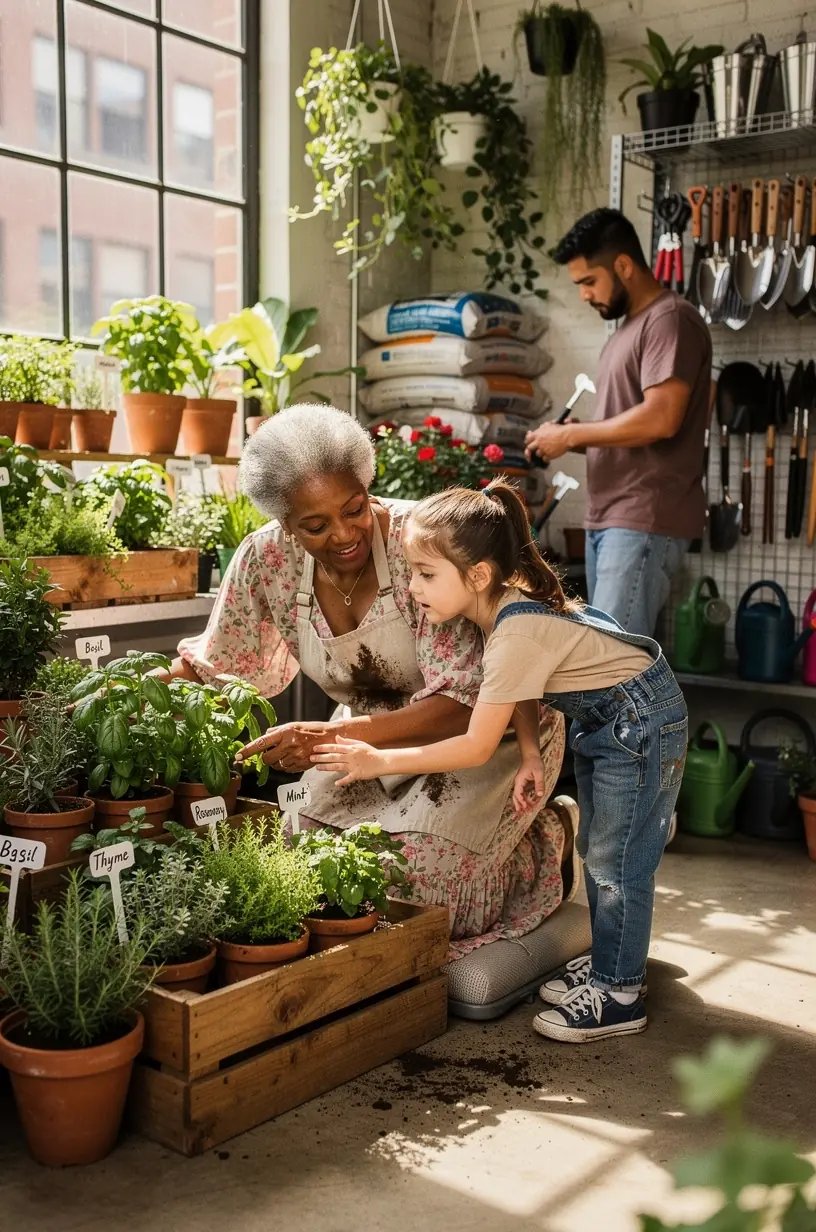
- Terracotta: Known for their porous nature, terracotta pots allow for good air circulation and moisture control. They can help prevent root rot but may require more frequent watering due to their ability to draw moisture away from the soil.
- Metal: Containers made of metal can add a modern touch to your balcony garden. However, they can heat up quickly and may require insulation to protect plant roots from excessive heat.
Size Matters
Container size is another critical factor to consider. Typically, larger containers allow for better root expansion and moisture retention. According to studies, plants grown in larger pots are often healthier and more robust. A general guideline is:
- For small herbs and flowers, choose a pot that is at least 6-8 inches in diameter.
- For larger plants, such as tomatoes or peppers, consider a container that is at least 12-18 inches in diameter.
- Ensure there are drainage holes at the bottom to prevent water accumulation, which can lead to root rot.
Weight and Mobility
Considering the weight of the container once filled is essential, especially for balcony setups where stability matters. Many users report that lightweight options are easier to rearrange or move indoors during harsh weather, while heavier containers can provide stability against wind.
Environmental Considerations
It's important to think about your balcony's specific conditions:
- Sunlight: If your balcony receives full sun, opt for materials that can withstand heat without damaging roots.
- Wind: In windy environments, heavier containers might be more stable, while lighter ones could topple easily.
- Space: Evaluate the available space on your balcony; vertical planters can be an effective solution if space is limited.
Conclusion
Choosing the right containers for balcony plants involves careful consideration of materials, size, weight, and environmental factors. Experts recommend taking the time to assess your particular gardening space and plant needs to make the best choices. By following these guidelines, you can create a thriving urban garden that is not only beautiful but also conducive to healthy plant growth.
Learn More