Guidelines for Selecting the Best Plants for Urban Environments
Urban gardening presents unique challenges and opportunities. Selecting the right plants is crucial for creating a thriving balcony or rooftop garden. In this article, we'll explore practical guidelines and considerations for choosing plants that can flourish in urban settings.
Understanding Urban Gardening
Urban gardening often involves limited space, variable sunlight, and specific climate conditions. According to studies conducted by the American Society of Landscape Architects, understanding the local environment is essential for successful urban gardening. This means considering factors like microclimates, soil quality, and available sunlight.
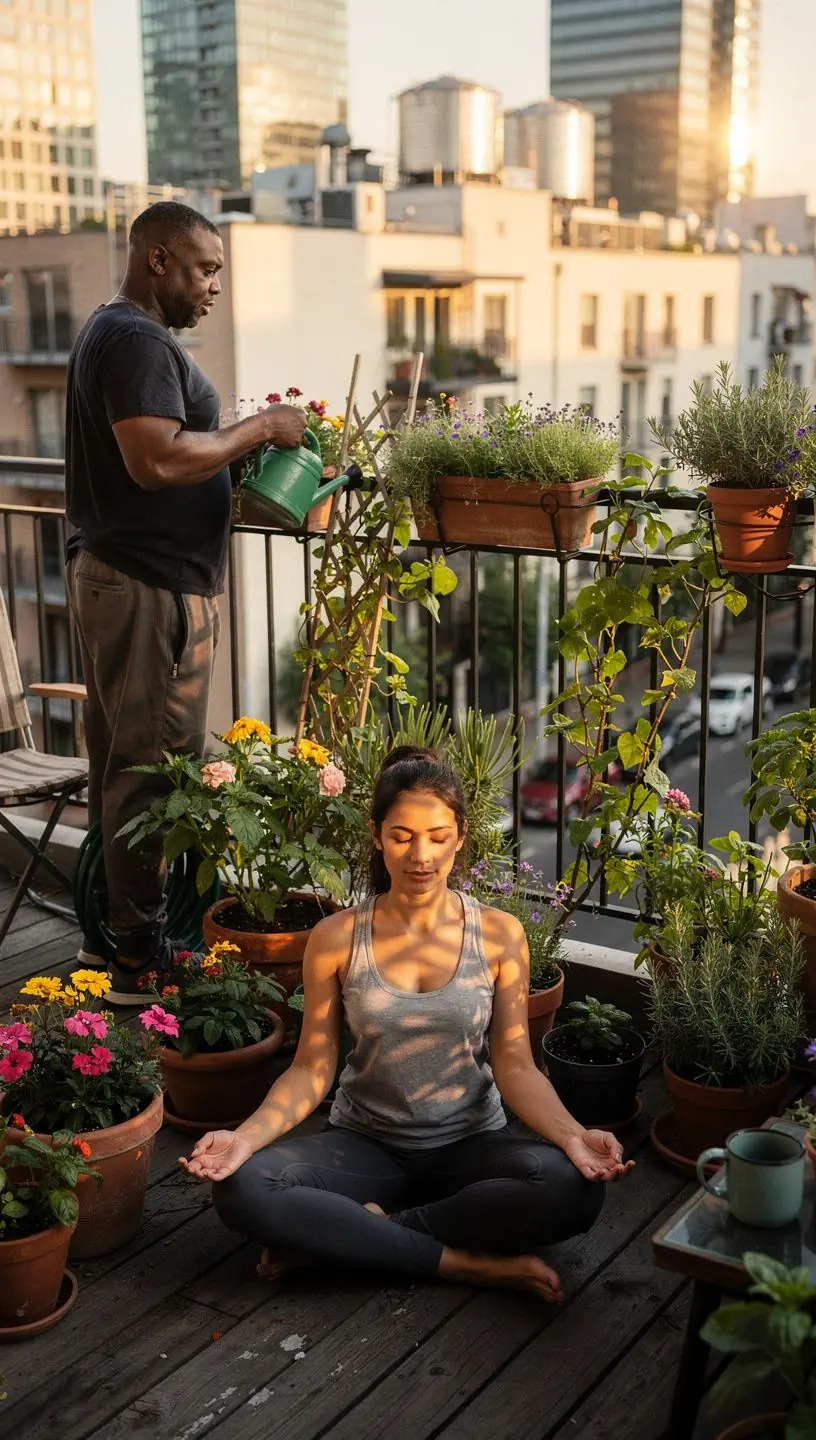
"The success of an urban garden relies on the careful selection of plants that can adapt to unique environmental conditions." - Urban Gardening Expert
Key Factors in Plant Selection
When selecting plants for urban gardens, consider the following factors:
- Space Limitations: In most urban areas, gardening space is limited to balconies or small yards. Therefore, choosing compact plants or those that grow vertically can maximize your garden space.
- Sunlight Exposure: Many users report that plants require a minimum of six hours of sunlight daily for optimal growth. Assess your space for sunlight availability before selecting your plants; shade-tolerant varieties may be necessary if sunlight is limited.
- Soil Quality: The soil in urban settings can vary significantly. Experts recommend conducting a soil test to determine its pH and nutrient levels. This information can help you choose plants that will thrive in your specific soil conditions.
Choosing the Right Plant Types
Different plant types can serve various purposes in an urban garden. Here are some reliable options:
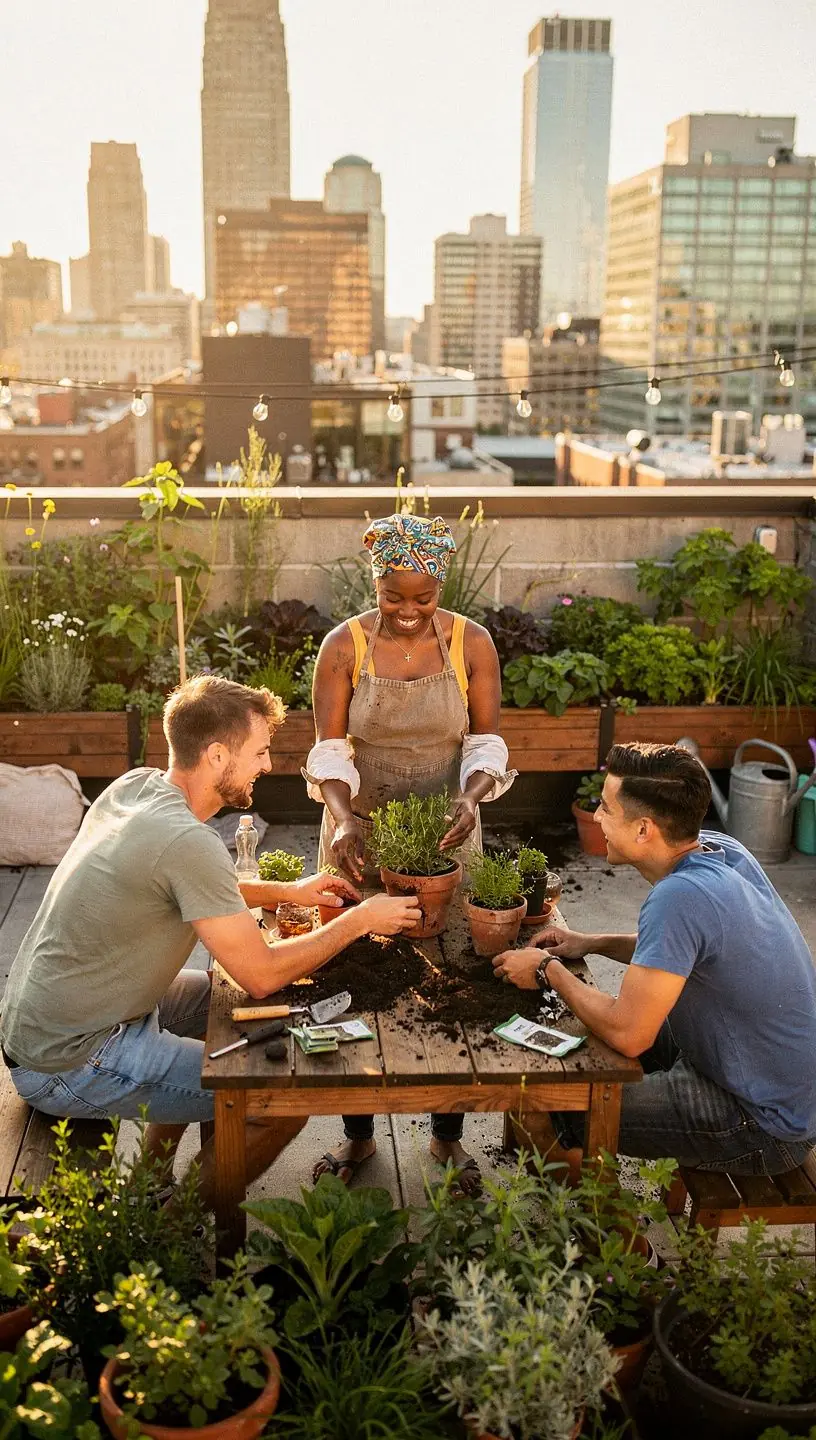
- Herbs: Many users find that herbs such as basil, mint, and rosemary thrive in containers and are ideal for limited spaces. They typically require minimal care and can enhance culinary experiences.
- Vegetables: Compact varieties of vegetables, like cherry tomatoes and lettuce, can grow well in urban settings. Experts suggest that these plants can yield produce within a few months, making them a rewarding choice for beginner urban gardeners.
- Flowering Plants: Consider plants like marigolds and petunias, which provide color and can attract pollinators. Research indicates that flowering plants can improve the aesthetics of urban environments while benefiting local ecosystems.
Common Challenges and Their Solutions
Urban gardeners may face various challenges, including limited water access and pollution. Here are some practical solutions:
- Watering: Use self-watering containers to ensure plants receive adequate moisture without the need for daily watering.
- Air Quality: Some plants, such as peace lilies and snake plants, are known for their ability to improve indoor air quality. Consider incorporating these into your balcony garden as a way to combat pollution.
Conclusion
Choosing the right plants for urban environments involves understanding space limitations, sunlight availability, and soil quality. By selecting adaptable plants and considering the unique challenges of urban gardening, you can create a vibrant and productive garden. Remember to assess your specific conditions and start with plants that suit your environment. This approach may lead to a rewarding gardening experience, enhancing your urban lifestyle.
Learn More