How to Maintain Soil Health in Container Gardens
Maintaining soil health in container gardens is vital for plant growth and productivity. This guide offers practical insights and expert recommendations on how to achieve and sustain healthy soil in your urban balcony or container garden.
Understanding Soil Health
Soil health refers to the ability of soil to sustain plant and animal productivity, maintain environmental quality, and promote plant health. According to the U.S. Department of Agriculture, healthy soil is characterized by its ability to retain nutrients, water, and organic matter.
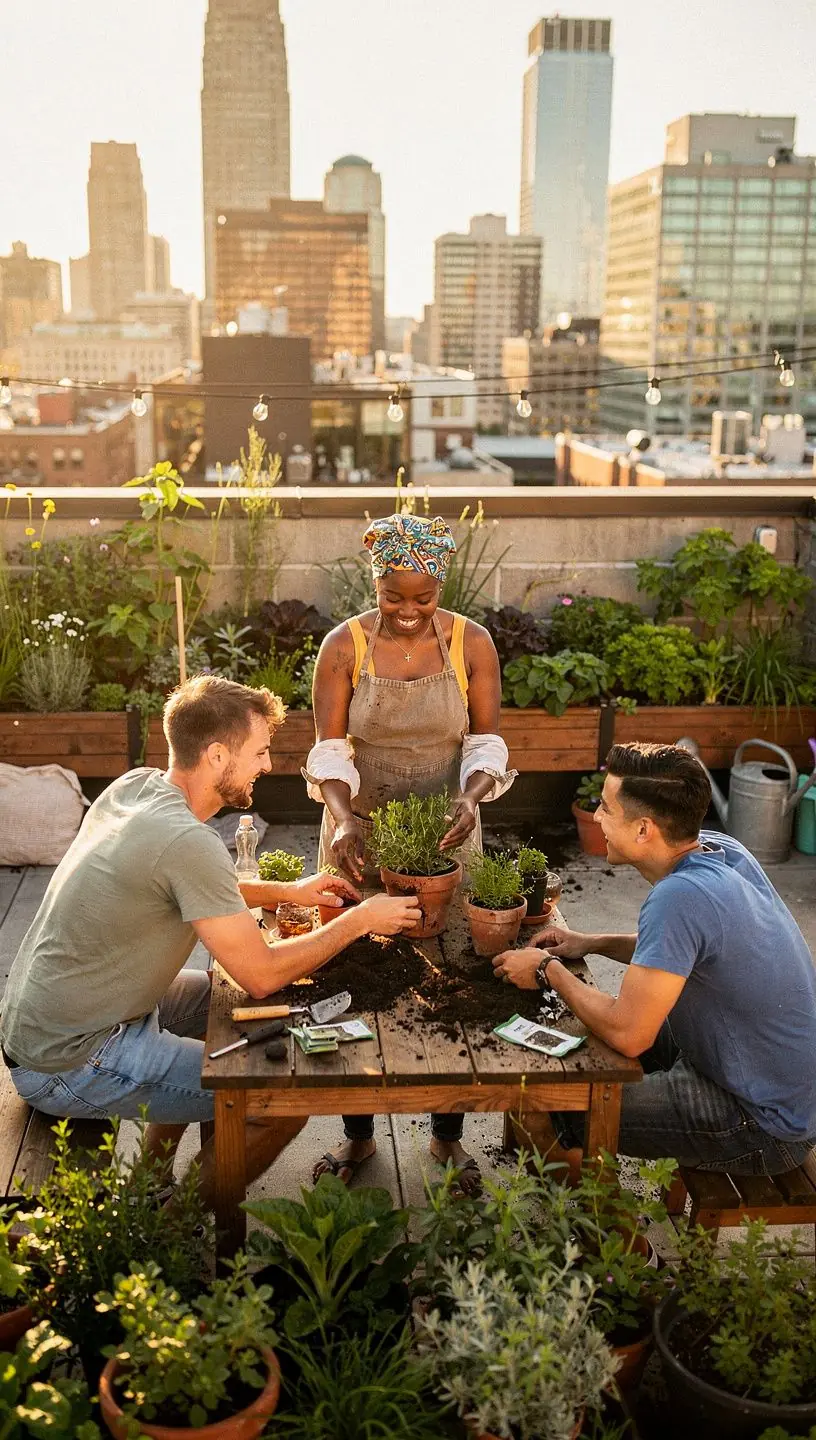
Experts recommend that maintaining soil health involves a combination of practices aimed at enhancing soil structure and fertility. This works because healthy soil supports beneficial microorganisms and nutrients crucial for plant growth.
"Healthy soil is the foundation of a thriving garden, impacting not just plant health but the ecosystem as a whole." - Soil Health Institute
Key Factors for Soil Health in Container Gardens
To maintain soil health in your container gardens, consider the following factors:
- Soil Composition: Use a high-quality potting mix that contains organic matter. Many users report improved plant performance when using mixes that include peat, compost, or coconut coir.
- Nutrient Management: Regularly test your soil for nutrient levels. According to research, many container gardeners find that supplementing with fertilizers—both organic and synthetic—can help maintain optimal nutrient balance.
- Watering Practices: Overwatering can lead to nutrient leaching and root rot. Experts suggest implementing a consistent watering schedule, allowing the soil to partially dry out between waterings.
Improving Soil Health: Practical Steps
Consider these actionable steps to enhance soil health in your container garden:
- Incorporate Organic Matter: Adding compost or well-rotted manure can improve soil structure and nutrient content. This typically takes a few weeks to integrate fully into the soil.
- Practice Crop Rotation: If possible, rotate your plants each season. This technique helps prevent nutrient depletion and pest build-up, making it a reliable approach supported by agricultural studies.
- Mulching: Apply a layer of organic mulch on top of the soil to retain moisture, suppress weeds, and enhance organic matter as it decomposes. Many users report noticeable improvements in soil temperature and moisture retention.
Monitoring Soil Health
Monitoring soil health is crucial for long-term success. Here are a few methods to consider:
- Soil Testing: Use a home testing kit or send samples to a local agricultural extension service. Regular testing can inform you about nutrient levels and pH balance.
- Visual Inspection: Observe plants for signs of nutrient deficiencies, such as yellowing leaves or stunted growth. These can indicate an imbalance in your soil health.
- Microbial Activity: Healthy soil is teeming with life. Consider adding beneficial microorganisms through compost or specialized soil amendments to enhance microbial activity.
Conclusion
Maintaining soil health in container gardens requires a proactive approach, but the rewards can be substantial. By understanding the principles of soil health and implementing practical strategies, you can support a thriving urban garden. Remember that results typically appear within a few weeks, but ongoing commitment is necessary to sustain soil health over time.
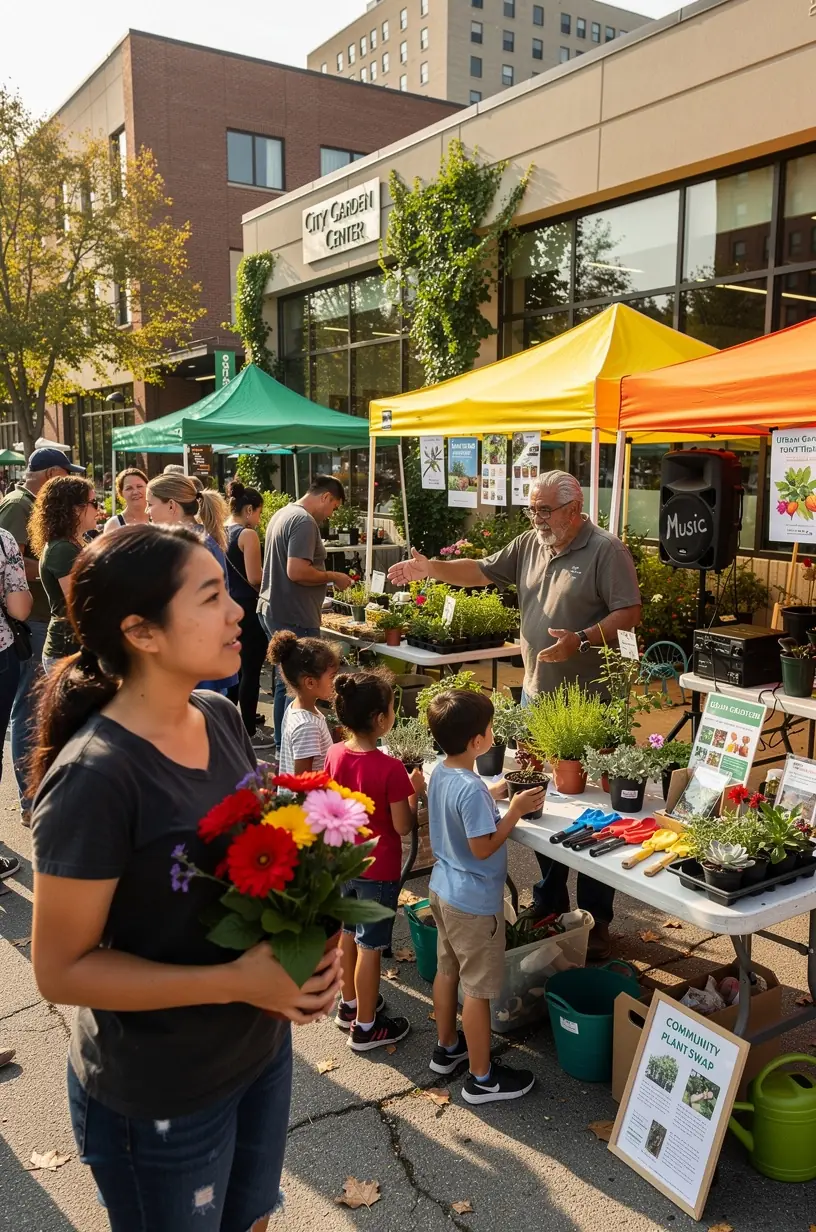
For further guidance, consider consulting local urban gardening centers for expert advice tailored to your specific gardening conditions and needs.
Learn More