
Navigating Local Regulations for Urban Gardening Projects
Urban gardening offers a sustainable way to grow food in limited spaces, but before you start your gardening project, it's vital to understand the local regulations that may impact your plans. This article explores the essential steps for navigating these regulations effectively.
Understanding Local Regulations
Urban gardening regulations can vary significantly depending on your location, often governed by zoning laws, building codes, and environmental regulations. According to the National Gardening Association, many cities have specific guidelines for community gardens, balcony gardens, and other urban gardening initiatives. Familiarizing yourself with these regulations can prevent potential legal issues down the line.
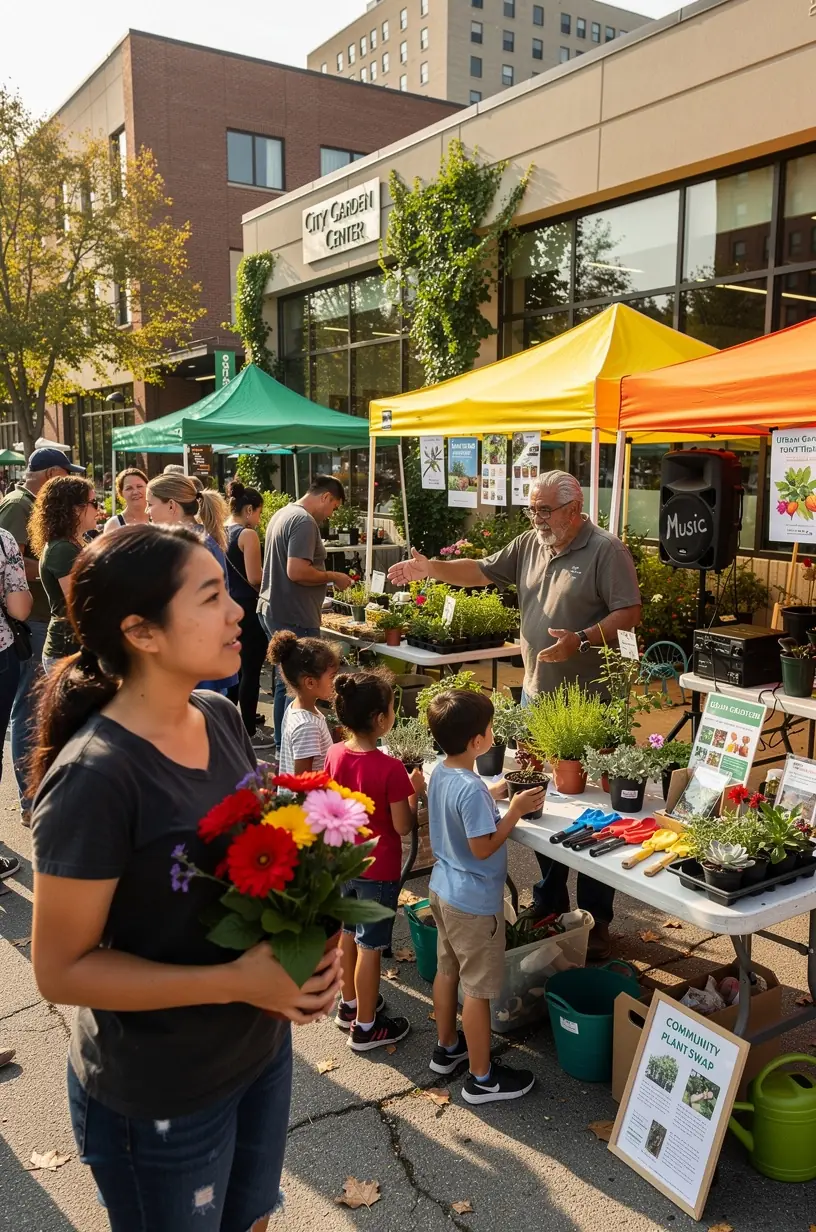
"Understanding local gardening regulations is crucial for successful urban gardening projects." - Urban Gardening Expert
Steps to Navigate Local Regulations
- Research Local Zoning Laws: Start by checking your local zoning ordinances. Many municipalities allow for urban gardens but may have restrictions on the types of plants you can grow, the height of your structures, or the use of pesticides. The American Planning Association provides guidelines on how zoning affects urban gardens.
- Consult with Local Authorities: Once you have a grasp of the regulations, reach out to your local city or county planning office. They can provide detailed information about permits you may need and any compliance measures that must be followed. Studies indicate that proactive communication can help clarify ambiguous regulations.
- Understand Environmental Regulations: Many urban gardens must adhere to environmental standards, especially regarding water usage and waste management. For instance, capturing rainwater for irrigation may be subject to specific guidelines. Experts recommend researching your state's environmental policies to ensure compliance.
Seeking Guidance for Your Urban Garden
Many urban gardening centers offer consultations to help navigate local regulations. These centers can provide valuable insights into the specific laws in your area and offer practical solutions tailored to your garden project. Engaging with knowledgeable professionals can save you time and potential setbacks.
Common Challenges and Limitations
Urban gardening often involves challenges such as limited space and competing with local wildlife. Additionally, the required time to ensure compliance with regulations can vary, typically taking 2-4 weeks for obtaining necessary permits. Therefore, it is advisable to plan your gardening goals accordingly.
Conclusion
Navigating local regulations is a crucial step in planning your urban gardening project. By taking the time to research, consult with local authorities, and seek guidance from urban gardening experts, you can create a thriving garden that complies with necessary laws. Remember that while the process may seem daunting, many users report that understanding regulations enhances the overall success of their urban gardening endeavors.
Learn More