Exploring Vertical Gardening Techniques in Limited Spaces
Urban gardening enthusiasts often face challenges related to limited space, especially in cities. Vertical gardening can offer an effective solution, enabling individuals to maximize their gardening potential without requiring extensive ground area. This article delves into various vertical gardening techniques, supported by evidence-based practices and expert recommendations.
Understanding Vertical Gardening
Vertical gardening involves growing plants upwards rather than outwards, utilizing vertical space. According to research conducted by the American Society for Horticultural Science, vertical gardens can increase plant density and yield by taking advantage of unused vertical surfaces. This method not only saves space but also enhances air circulation and exposure to sunlight, which are critical for plant health. Experts suggest that incorporating vertical gardening techniques may be particularly beneficial in urban settings where space is often at a premium.
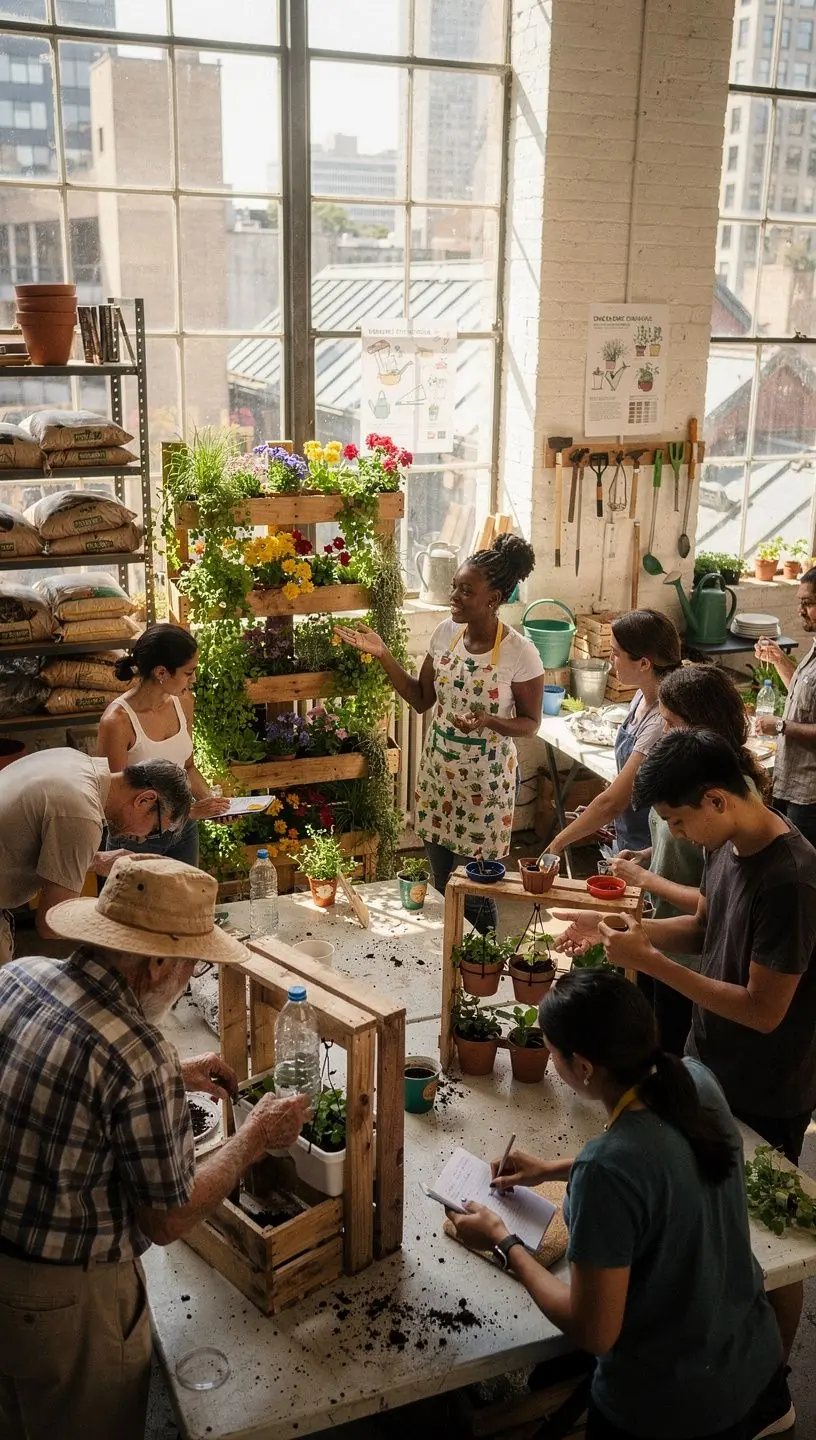
"Vertical gardening techniques can transform small spaces into vibrant, productive gardens, making them a popular choice for urban dwellers." - Horticulture Expert
Practical Techniques for Vertical Gardening
Here are several effective methods to implement vertical gardening:
- Wall Planters: These are containers mounted on walls that provide an appealing way to grow herbs and flowers. Many users report successful growth with wall-mounted planters, especially in sunny locations.
- Vertical Trellises: Ideal for climbing plants like beans and cucumbers, trellises can be integrated into existing structures or function as standalone installations. They often require little maintenance and can be set up in just a few hours.
- Pallet Gardens: Repurposing wooden pallets is a cost-effective way to create a vertical garden. However, it typically takes some time to prepare the pallets and fill them with the right soil and plants.
- Hanging Baskets: Utilizing hanging baskets can help in growing trailing plants such as strawberries. This method allows for easy access and can be adjusted based on sunlight availability.
Considerations and Limitations
While vertical gardening can be highly beneficial, it is important to acknowledge some challenges associated with this practice:
- Watering Needs: Vertical gardens may require more frequent watering, especially in warmer climates. Gardeners should be prepared to monitor moisture levels regularly.
- Weight Limitations: When using wall planters or other mounted systems, it’s crucial to consider the weight of the soil and plants. Certain structures may not support heavy setups, which is often a concern in urban environments.
- Sunlight Exposure: Not all vertical garden setups will receive adequate sunlight throughout the day. It's advisable to assess the light conditions before selecting plants for vertical growth.
Conclusion
Vertical gardening presents a versatile solution for urban dwellers facing space constraints. By implementing the techniques discussed, gardeners can effectively utilize limited areas for growing a variety of plants. Remember to assess your specific environment and be aware of the limitations that may arise. Through careful planning and consideration, vertical gardening can lead to successful urban gardening experiences that bring greenery into city life.