Understanding the Role of Sunlight in Urban Gardening
Urban gardening has gained popularity in recent years, allowing city dwellers to cultivate their own green spaces. A critical aspect of successful gardening, particularly in urban settings, is the understanding of sunlight and its impact on plant health and growth. In this article, we will explore the importance of sunlight in urban gardening, backed by research and expert recommendations.
Understanding the Basics of Sunlight for Plants
Sunlight is essential for plants as it drives the process of photosynthesis, where plants convert light energy into chemical energy. According to studies, plants that receive adequate sunlight typically grow healthier and produce more yield. For urban gardeners, understanding how to maximize sunlight exposure is crucial for creating thriving gardens.
"Research indicates that most plants require at least 6 hours of direct sunlight daily for optimal growth."
Sunlight Requirements for Common Urban Plants
Different plants have varying sunlight needs, which is important for urban gardeners to consider. Here’s a general guideline for sunlight exposure:
- Full Sun: Plants like tomatoes and peppers thrive with 6-8 hours of direct sunlight per day.
- Partial Sun: Leafy greens such as spinach and lettuce often do well with 4-6 hours of sunlight.
- Shade Tolerant: Herbs like mint and parsley can survive with as little as 2-4 hours of sunlight, making them ideal for shadier balcony gardens.
Strategies to Maximize Sunlight in Urban Gardens
To make the most out of available sunlight, urban gardeners can adopt several strategies:
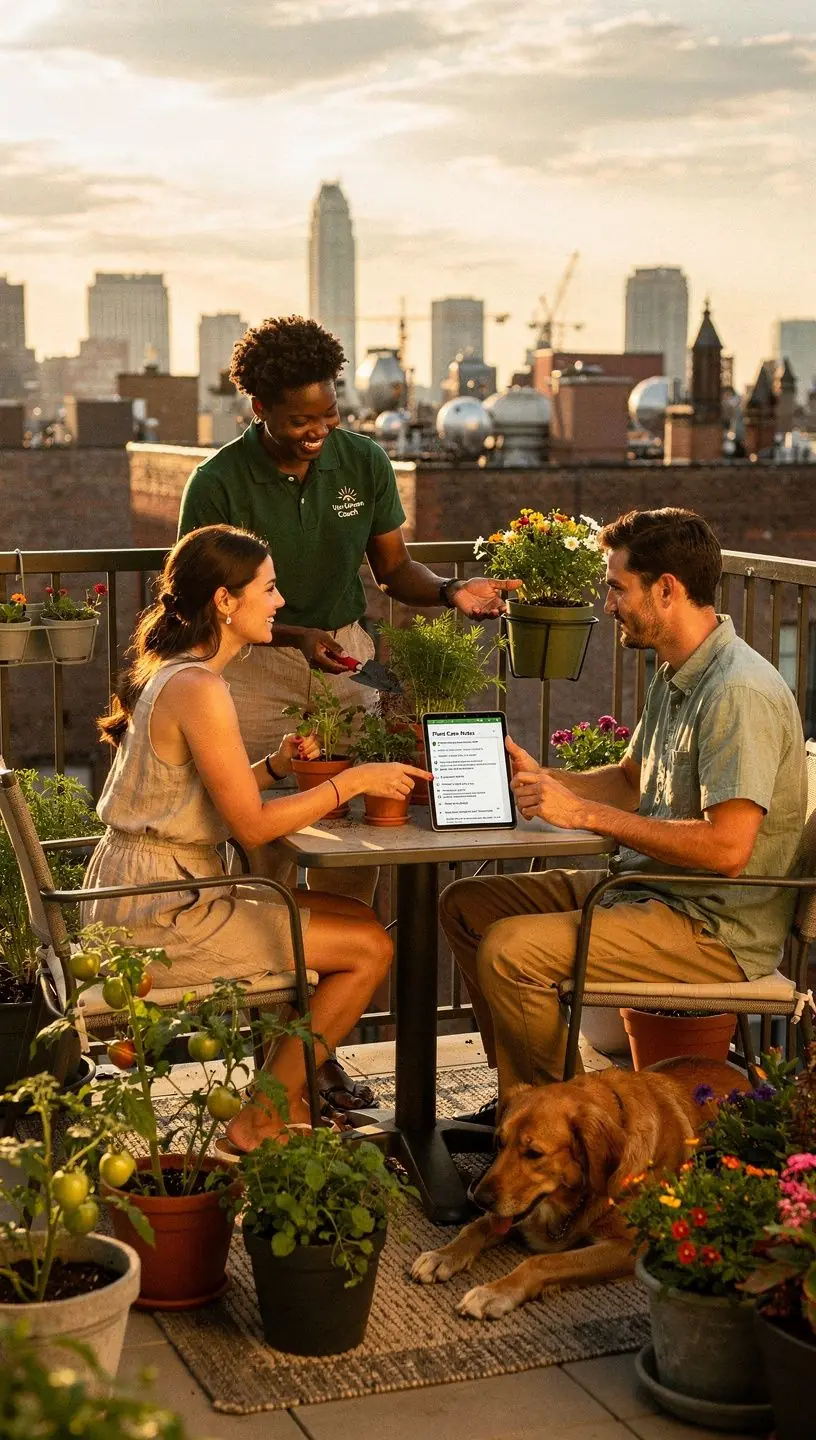
- Choose the Right Location: Identify the sunniest spots on your balcony or garden, typically areas that face south or west.
- Optimize Plant Placement: Arrange taller plants to the north of shorter ones to avoid shading.
- Utilize Reflective Surfaces: Incorporating mirrors or light-colored walls can help reflect sunlight onto plants, enhancing their exposure.
Understanding Limitations and Challenges
While maximizing sunlight is essential, it is important to acknowledge some limitations. Urban environments often present challenges such as shading from buildings and limited space. In many cases, urban gardeners may need to experiment with different plant arrangements to find the most suitable setup.
Moreover, certain plants may not thrive in heavily shaded areas, which could necessitate selections that are better suited for lower light conditions. Thus, understanding the specific light requirements of your chosen plants is critical.
Conclusion
In summary, sunlight plays a vital role in the success of urban gardening. By understanding the basic principles of sunlight exposure and how it affects plant growth, urban gardeners can make informed decisions that lead to healthier plants and abundant harvests. Although challenges may arise, with careful planning and research, anyone can create a thriving urban garden.
For more personalized assistance with your urban gardening needs, consider reaching out to local gardening centers for consultations and expert advice.
Learn More