Creating a Year-Round Urban Gardening Plan
Urban gardening can be a rewarding endeavor, allowing city dwellers to cultivate their own fresh produce and greenery. However, the success of your urban garden largely depends on a well-thought-out year-round plan. This article will guide you through creating a realistic and effective gardening strategy that can adapt to seasonal changes and urban constraints.
Understanding the Basics of Urban Gardening
Urban gardening typically involves growing plants in limited spaces, such as balconies, rooftops, or small backyards. To make the most of these environments, research shows that understanding the specific conditions of your space—such as sunlight, wind patterns, and temperature—is crucial. Experts recommend starting with a careful assessment of your available space and the environmental factors that could affect your plants.
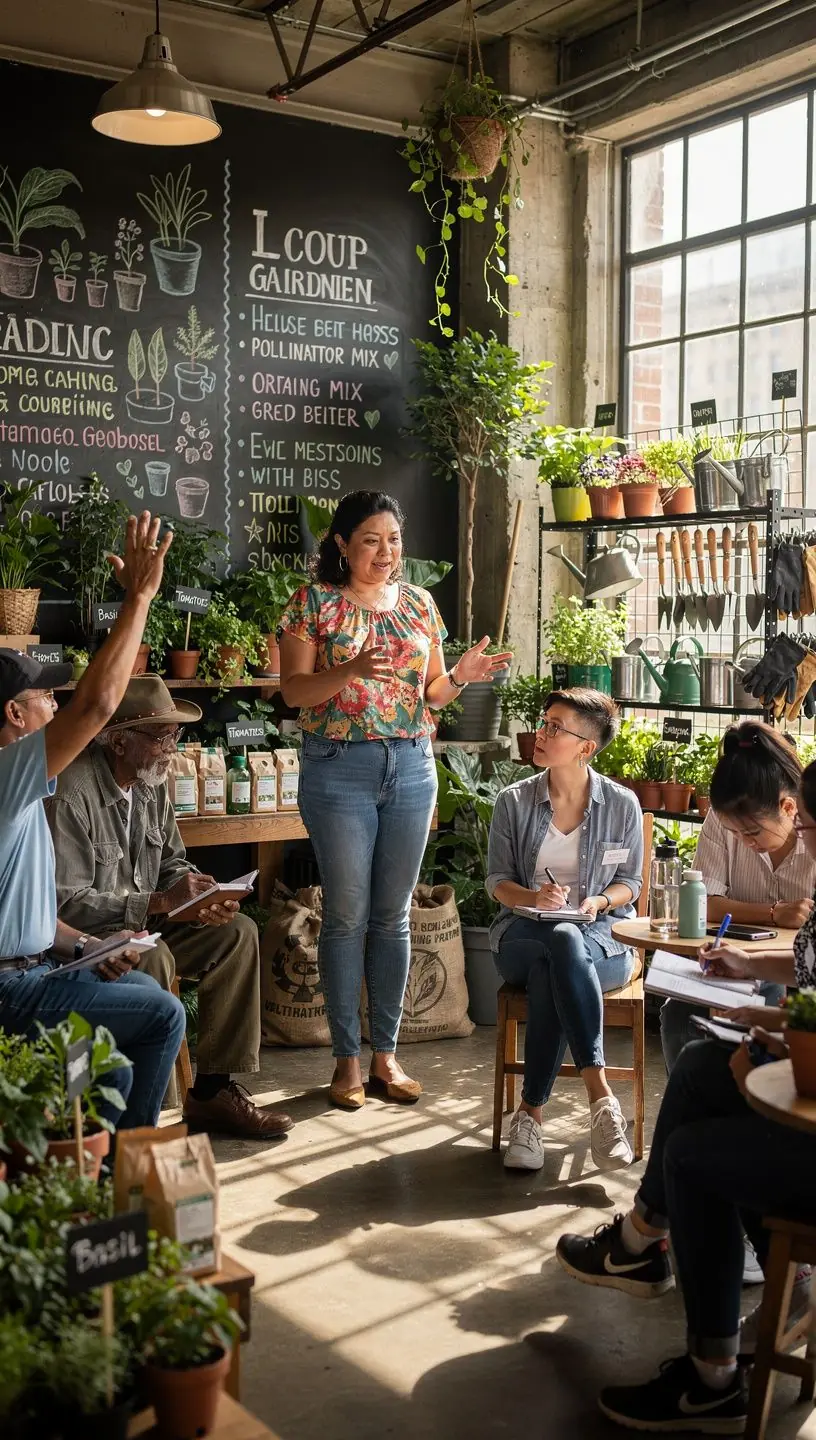
"A successful urban garden requires a tailored approach, especially when it comes to selecting the right plants for your unique environment."
Seasonal Plant Selection
Choosing the right plants for each season can significantly impact the productivity of your urban garden. Here are some tips for seasonal planting:
- Spring: Start with cool-weather crops like peas, lettuce, and spinach, which thrive in the milder temperatures.
- Summer: Transition to warm-weather plants such as tomatoes, peppers, and basil, which typically do well in full sun.
- Fall: Consider planting root vegetables like carrots and beets, as well as leafy greens that can handle cooler weather.
- Winter: If you're in a milder climate, you can grow winter crops like kale or use a greenhouse or indoor setup to grow herbs and microgreens.
By understanding the growth cycles and environmental preferences of these plants, you can better manage your gardening efforts throughout the year.
Utilizing Vertical Space and Container Gardening
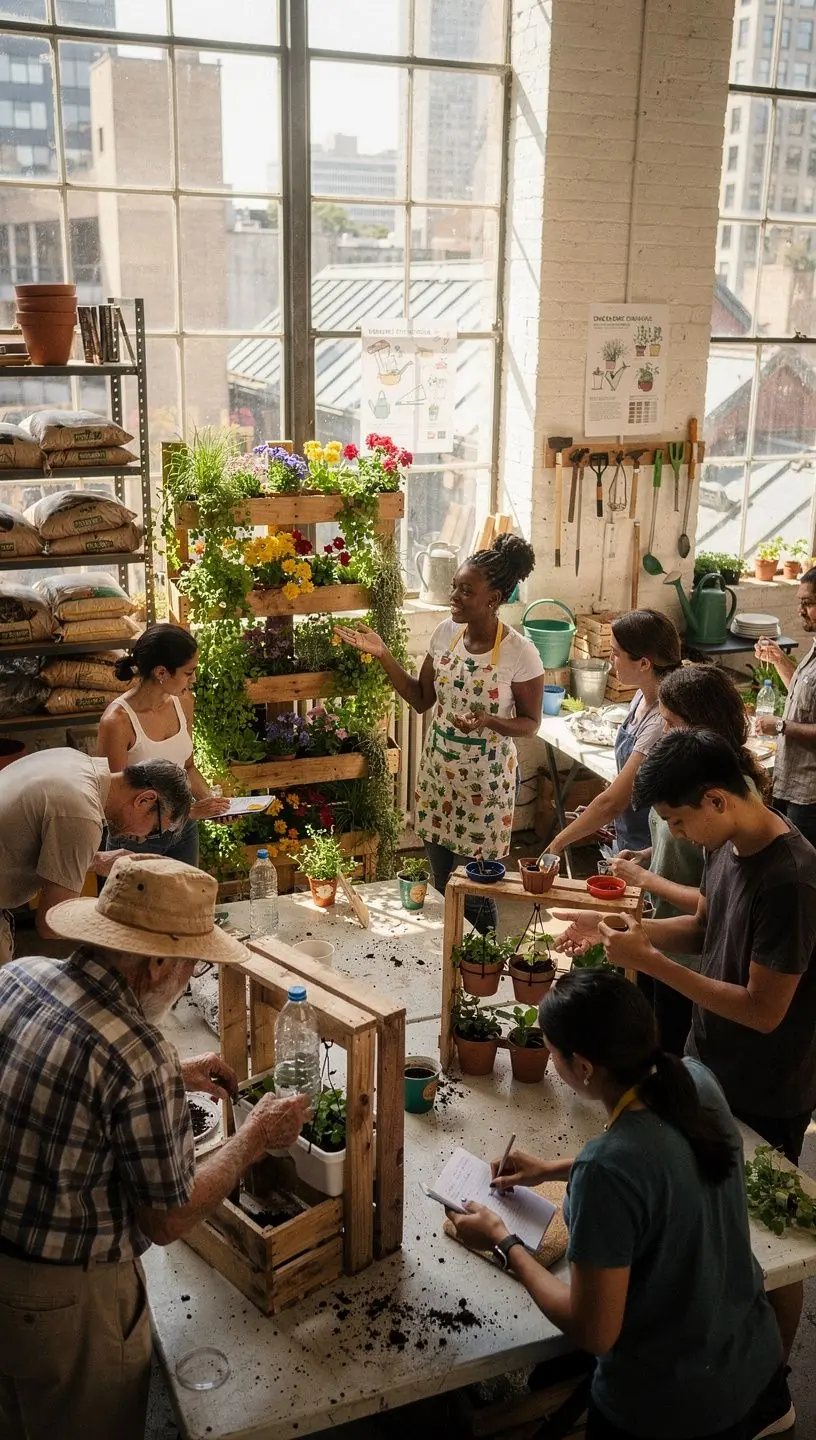
In urban environments, space is often a significant limitation. Vertical gardening and container setups can help maximize your yield without requiring a large footprint. According to industry experts, using vertical planters can increase your growing area by up to 30% in similar contexts.
Consider the following approaches:
- Select containers that suit your space—ensure they have adequate drainage and are large enough to support the root systems of your chosen plants.
- Incorporate trellises or wall-mounted systems to support climbing plants, which can save space and create visual interest.
- Utilize repurposed materials, such as old pallets or hanging baskets, to create unique gardening solutions that also reflect personal style.
Planning for Maintenance
Regular maintenance is essential for a thriving urban garden. It typically requires a commitment of time and effort, which can vary depending on the size of your garden and the plants you choose. Consider these maintenance tips:
- Set a consistent watering schedule based on the needs of your plants, which may vary with the seasons.
- Regularly check for pests and diseases, as urban gardens can attract various infestations.
- Incorporate organic fertilizers to enhance soil health and boost plant growth—research indicates that healthy soil can lead to a 20-30% increase in productivity.
Conclusion
Creating a year-round urban gardening plan requires careful consideration of several factors, including plant selection, space utilization, and ongoing maintenance. By understanding your unique urban environment and following best practices, you can cultivate a flourishing garden that provides fresh produce and enhances your living space. Remember, gardening is a learning process—set realistic expectations and be prepared to adapt your strategies as you gain experience.
Learn More